As immigration policy continues to shift in 2026, screening and enforcement measures across the U.S. immigration system are becoming more rigorous.
Federal agencies are placing greater emphasis on national security, identity verification, and fraud prevention, leading to increased scrutiny of immigration applications, visa issuance, and entry into the United States.
For foreign nationals, employers, and applicants, understanding these changes is essential to avoiding delays, denials, or complications.
Overview of Immigration Changes in 2026
Under the current policy direction, the immigration system is seeing increased coordination across federal agencies, particularly the Department of Homeland Security (DHS), U.S. Citizenship and Immigration Services (USCIS), and U.S. Customs and Border Protection (CBP).
Key trends include:
Expanded identity verification and background checks
Increased social media and digital screening
More administrative processing and delays in visa issuance
Greater focus on national security and public safety threats
Stricter review of immigration applications and benefit requests
For many applicants, this means longer processing times and a more detailed review of immigration filings.

Department of Homeland Security and Border Protection Actions
Federal immigration enforcement is often driven by DHS and CBP directives.
Recent actions suggest:
Increased screening at ports of entry for foreign nationals seeking entry
Expanded customs enforcement checks tied to national security concerns
Greater coordination between border protection and immigration services
Ongoing updates to immigration policy through agency guidance and proposed rule changes
Travelers and visa holders should expect more detailed questioning and identity verification when entering the U.S.
Preparing Your Immigration Applications
If you are applying for immigration benefits, preparation is more important than ever.
To strengthen your immigration applications:
Gather complete and accurate identity documents before filing
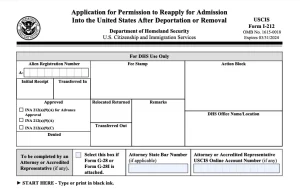
Ensure all immigration forms are consistent and error-free
Review social media presence for alignment with your application
Prepare clear, concise explanations for any discretionary decisions
Submit strong supporting evidence for petitions filed
Consistency across your application is critical, as increased scrutiny may flag even minor inconsistencies.

Responding to Increased Immigration Enforcement
Stricter immigration enforcement may impact both documented and undocumented individuals.
Important steps include:
Reviewing your immigration status and legal status
Understanding how expedited removal procedures work
Keeping records of prior immigration history and filings
Preparing documentation if you may need to defend your case
In certain situations, individuals may face faster enforcement actions, making preparation essential.
Immigration Courts, Legal Challenges, and Appeals
With increased enforcement comes a higher likelihood of legal challenges.
Applicants may encounter:
Delays in immigration courts
Increased case backlogs
Stricter review of appeals and motions
Given the complexity of immigration laws, working with legal counsel early can help you navigate these challenges and protect your rights.
Birthright Citizenship and Policy Uncertainty
Policy discussions around birthright citizenship and other constitutional issues may continue to evolve.
Potential developments could include:
Executive actions affecting citizenship interpretations
Legal challenges under the Administrative Procedure Act
Court rulings that shape future immigration policy
Families should ensure all documentation related to lawful permanent residence and citizenship is accurate and up to date.
Practical Steps for Individuals Facing Increased Screening
If you may encounter immigration officials or consular officers, it is important to stay prepared.
Recommended actions:
Carry valid travel documents and proof of lawful status
Keep copies of immigration filings and receipts
Update contact information with immigration authorities
Document any interactions with law enforcement or immigration officials
These steps can help you respond confidently in high-pressure situations.
Checklist: Documents to Carry and Maintain
Keeping your documents organized is critical under increased screening conditions.
You should have access to:
Passport or national ID
Form I-94 or proof of entry
Copies of pending immigration applications
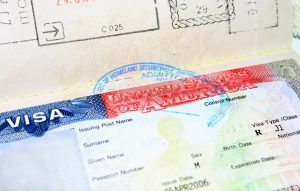
Proof of valid visas or visa renewals
Employment authorization documents
Being prepared can help avoid delays during immigration enforcement checks.
For Employers: Workforce Compliance and Risk Management
Employers hiring foreign workers must stay compliant with evolving immigration policies.
Key steps include:
Auditing employee immigration status and visa categories
Updating I-9 verification processes
Monitoring expiration dates for work authorization
Preparing contingency plans for affected employees
Companies should also stay informed about immigration changes that may impact employment-based green cards and government contracts.
For Students and International Applicants
International students and scholars may face additional scrutiny.
To maintain compliance:
Monitor visa status and program timelines
Keep academic and enrollment records updated
Be mindful of public social media activity
Prepare for potential delays in visa renewals
Consulates abroad may apply stricter screening during consular interviews, especially for certain visa categories.

When to Contact an Immigration Attorney
In a stricter immigration environment, seeking legal guidance early can make a significant difference.
You should consider contacting an abogado de inmigración if:
You receive notices from DHS or other federal agencies
Your visa application is delayed or denied
You are facing immigration enforcement or expedited removal
You are navigating complex immigration filings or appeals
An experienced immigration attorney can help you understand your options and protect your legal immigration pathways.
Monitoring Policy Changes and Staying Informed
Immigration policies under the Trump administration may continue to evolve.
To stay informed:
Monitor updates from DHS, USCIS, and CBP
Track new proposed rules and final rule announcements
Follow guidance from trusted legal resources and advocacy groups
Stay updated on changes to immigration laws and enforcement priorities
Remaining proactive is key in a rapidly changing immigration system.
Reflexiones finales
Preparing for increased immigration screening in 2026 requires awareness, organization, and strategic planning.
From stricter enforcement to heightened identity verification and evolving immigration policy, foreign nationals, lawful permanent residents, and visa applicants must be ready for a more complex process.
If you have questions about how these immigration changes may affect your immigration status or immigration benefits, the team at the Abbasi Immigration Law Firm is here to help.
Póngase en contacto con nosotros today to speak with an experienced immigration attorney and get clear, reliable legal guidance.