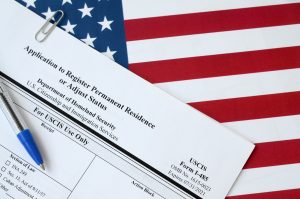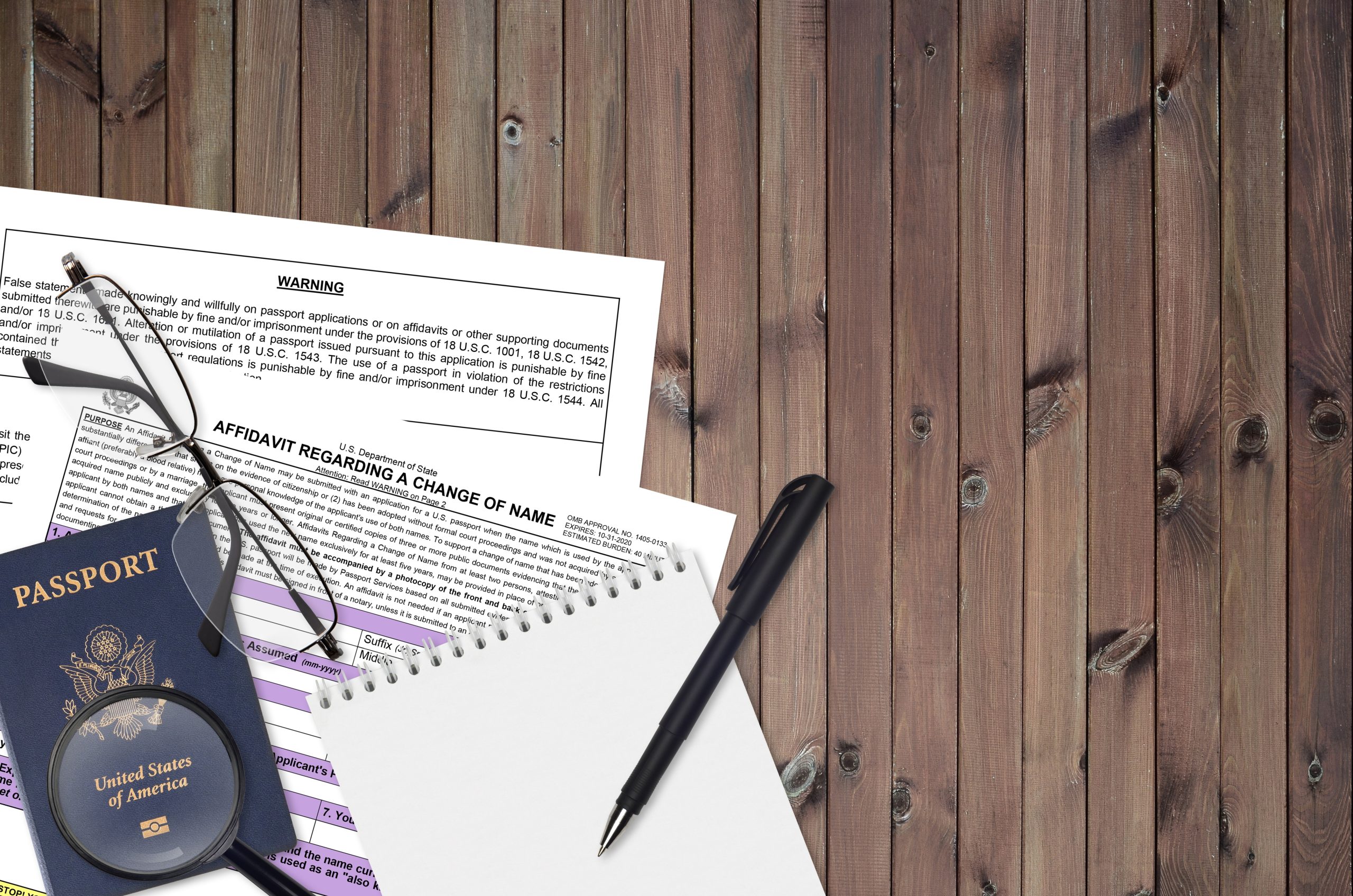
A name change can affect an immigration case in several important ways. For immigrants, green card holders, and applicants going through USCIS, this article explains how name changes can affect immigration records, what documents may need to be updated, and why consistency across your case matters.
When the name on your immigration documents does not match your marriage certificate, passport, or government issued ID, USCIS and other government agencies may need additional evidence to connect your identity across the full record. Whether the change comes from marriage, divorce, a court order, or naturalization, the issue is not just whether the new name is valid in everyday life, but whether the legal name is documented correctly and reflected in the right filing, form, interview, or card update.
Why Name Consistency Matters
Immigration cases rely on identity matching. If your maiden name appears on one filing and your married name appears on another, USCIS may ask for supporting evidence to show that both names belong to the same person. That can include a marriage certificate, court order, or other documentation that shows the legal change.
Name differences can also affect background checks, travel documents, and records tied to social security, bank accounts, or a driver’s license. Even if the name change is legitimate, mismatched records can slow processing or lead to requests for more proof.

Name Change During A Green Card Case
If a person is in the green card process, the timing of the name change matters. A new name should generally be reflected consistently on the green card application, supporting documents, and the interview record when possible. If the person is married and using a married name, the marriage certificate is often central evidence, but USCIS still expects the name used in the case to match the evidence submitted.
If a name changes after filing but before the green card interview, the applicant should bring updated immigration documents and any proof of the change. USCIS may need the new name reflected in the file before a decision is approved. If a green card has already been issued in the prior name, the person may need to replace permanent resident card using Form I-90 when the card itself needs updating.
Form I-90 And Card Updates
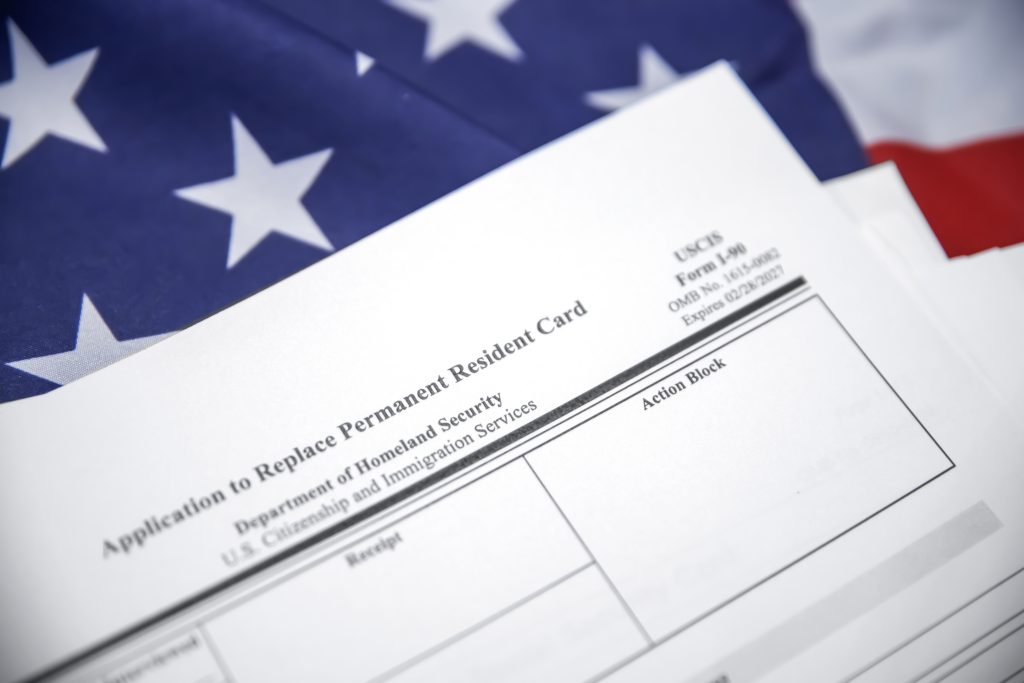
For someone who already has a permanent resident card, a name change may require filing Form I-90, Application to Replace Permanent Resident Card, depending on the reason for the request and whether the card needs correction or replacement. USCIS states that if you want to update the name reflected on a document, you must provide sufficient evidence of the name change, such as a court order.
This matters because the green card is a core identity document used in employment, travel, and other verification settings. If the card does not reflect the legal name, the person may face problems when presenting the card alongside a passport or government issued ID. In practice, many people wait until a later filing, such as naturalization, to align everything more efficiently.
Marriage-Based Name Changes
A marriage can change a person’s family name, but the legal effect depends on the law and the documents used. In many cases, a person may use the married name after marriage if state law and the supporting records allow it, but USCIS still needs the name history to be clear in the file. That means the married name, maiden name, and any other prior names should be disclosed when the form requests it.
For a marriage-based case, the marriage certificate is often the first document people think of, but it does not automatically solve every issue. If the legal name is changing, the applicant should keep the passport, social security card, driver’s license, and other immigration documents aligned as soon as possible. That reduces the chance that the case will need extra contact, evidence, or clarification later.
Naturalization And Name Changes
Naturalización offers a separate path for name change. On the naturalization form, a person can request that the new name be reflected through the process, and in some cases the name change becomes official at the oath ceremony. This is often attractive to applicants who do not want to replace permanent resident card first.
If the name change is requested during naturalization, the applicant should be prepared to present proof and verify the request at the interview and final ceremony. Once approved, the new name can appear on the Certificate of Naturalization, which then becomes the main proof of citizenship. That can make it easier to update bank accounts, social security, and other records after the case is completed.

What To Update After Approval
After a legal name change is approved, the next step is to update records outside USCIS. This often includes social security, driver’s license, bank accounts, passport records, and any employer files that rely on identity verification. If travel documents or a green card need to match the new name, the person should review the proper agency rules before traveling internationally.
The USCIS website is the best official starting point for the current filing instructions and evidence requirements. In many cases, applicants should keep copies of sample letters, notices, and supporting evidence in a personal file in case another agency asks for proof later. A clean record can save time when the person needs to show that the same immigrant is now using a new name.
Common Mistakes To Avoid
Here are a few common mistakes to avoid when changing your name during an immigration case. Being aware of these issues can help you keep your records consistent and reduce delays.
Using a new name informally before the legal or document trail is ready.
Failing to notify USCIS when a pending case changes.
Assuming a marriage certificate alone will update every document automatically.
Guessing about the correct filing process instead of reviewing the official instructions first.

Conclusión
A name change may seem like a small detail, but it can have a real impact on your immigration case if your records are not consistent. Whether the change is based on marriage, divorce, a court order, or naturalization, it is important to make sure your legal name is reflected correctly across your immigration documents and related records.
En la Bufete de abogados de inmigración Abbasi, we help clients understand how name changes can affect their case and what steps may be needed to keep the process on track.
Póngase en contacto con nosotros today to speak with our trusted attorneys.
Preguntas frecuentes
Can I change my name after filing a green card application?
Yes. If you legally change your name after filing, USCIS may still process the case, but you should keep the record consistent and provide updated proof if needed
What documents are needed to support a legal name change?
Common supporting documents include a marriage certificate, court order, divorce decree, or other official record showing the legal name change.
What should I do if my green card and passport show different names?
You should keep proof of the name change with you and review whether you need to update the record with USCIS or later file for a replacement card.
Will a name change delay my USCIS case?
It can, especially if the names do not match across your filing, identity records, or supporting evidence. Providing clear documentation early can help reduce delays.
Should I update my Social Security card before or after USCIS?
Usually, the best timing depends on your situation and the documents already updated. After USCIS records are consistent, many people update their Social Security card and other government records next.