The 2026 midterm elections have reshaped the U.S. immigration policy landscape. However, they have not immediately changed immigration laws or immigrants’ legal rights. Democrats won control of both chambers of Congress in the November 3 elections, while the Trump administration retains authority to enforce existing immigration laws.
For immigrants and their families, the election could mean greater congressional oversight, renewed debates over immigration reform, and continued uncertainty surrounding enforcement, family protections, work authorization, and public benefits.
This article explores how the 2026 midterm election results could affect U.S. immigration policies, what changes immigrants and their families may face, and the steps they can take to protect their rights.
What Changed in the 2026 Midterm Elections?
Democrats won control of the U.S. House and Senate, with the new Congress expected to convene in January 2027. This shift gives Democrats control of congressional committees and greater authority to investigate federal immigration policies.
Immigration enforcement, detention conditions, family separations, and deportations were prominent election issues. However, election results do not automatically change immigration law, and the administration can continue enforcing existing policies.
How Could the 2026 Midterms Affect Immigration Policy?
Increased Congressional Oversight of ICE and CBP
The incoming Congress may increase oversight of U.S. Immigration and Customs Enforcement (ICE), Customs and Border Protection (CBP), and the Department of Homeland Security.
Congressional oversight hearings and investigations could examine:
Immigration arrests, detention conditions, and deportation practices.
Family separation, human rights, and due-process concerns.
Delays in immigration applications and processing.
Allegations of improper immigration enforcement.
Although oversight does not immediately change immigration laws, it can encourage greater accountability, transparency, and potential legislative reforms.
Will ICE Enforcement and Deportations Stop?
No. ICE enforcement and deportations will not automatically stop because of the election.
Congress may introduce legislation restricting certain enforcement tactics, but new laws generally require approval from both chambers and the president or a successful presidential veto override.
During an October 19–29, 2026, immigration operation in Texas, federal officials reported 4,170 arrests. Approximately 40% were classified as collateral arrests.
The Trump administration retains enforcement authority, meaning undocumented immigrants and other individuals facing removal proceedings should not assume congressional changes provide immediate protection.

Immigration Reform and Funding Proposals
Congress controls federal funding decisions, making future budget negotiations important for immigration enforcement and the broader immigration system.
Lawmakers may debate funding for detention facilities, immigration courts, border security, and humanitarian programs.
Potential immigration reform priorities include:
Legal protections for Dreamers and DACA recipients.
Pathways to legal status for certain undocumented immigrants.
Asylum reform and family reunification.
Family-based immigration and employment-based immigration improvements.
Additional resources for U.S. Citizenship and Immigration Services (USCIS) to address application backlogs.
However, most legislation facing a Senate filibuster requires 60 votes to advance. Political disagreements and President Trump’s veto authority could also limit major reforms.
What Do the Election Results Mean for Immigrant Families?

Public Charge Rules and Mixed-Status Families
Immigration policies can affect entire households, including U.S. citizen children, citizen spouses, green card holders, and undocumented family members.
According to KFF, approximately 26% of U.S. children had an immigrant parent in 2024. A 2025 survey also found that 41% of immigrant adults worried that they or a family member could face detention or deportation.
The revised public charge policy, effective September 18, 2026, gives immigration officials broader discretion when evaluating certain green card applications, including consideration of specified public benefits.
However, using public benefits does not automatically disqualify someone from obtaining a green card. Immigration consequences depend on individual circumstances, benefit types, and applicable regulations.
Medicaid Restrictions and Health Care Access
The 2025 reconciliation law introduced new Medicaid and Children’s Health Insurance Program (CHIP) eligibility restrictions for many lawfully present immigrants, effective October 1, 2026.
According to KFF, the Congressional Budget Office estimates that federal health coverage restrictions could leave approximately 1.4 million lawfully present immigrants uninsured by 2034.
These restrictions took effect independently of the midterm elections, although future congressional debates could influence immigration-related health care policies.
Immigration Enforcement and Family Separation
Immigration enforcement can disrupt employment, childcare, housing, health care, and family stability.
Families should maintain copies of immigration documents, understand pending removal proceedings, and avoid signing unfamiliar legal documents without professional guidance.
Individuals facing deportation or family separation should seek qualified legal assistance to understand their rights and potential immigration relief.
State and Local Immigration Policies After the Midterms

Although federal immigration law applies nationwide, state and local policies influence how immigrant communities experience enforcement.
Texas: Governor-elect Gina Hinojosa has criticized existing immigration enforcement policies and called for a review of Operation Lone Star, Texas’s multibillion-dollar border security initiative. Her election could influence state enforcement priorities, although federal immigration authority remains unchanged.
Colorado: Voters rejected Amendment 81, which would have required local law enforcement to notify federal immigration authorities in certain criminal cases.
Chicago: Voters supported an advisory measure seeking federal compensation for costs and harm associated with immigration enforcement operations.
Honolulu: Voters approved protections requiring police to respect constitutional rights regardless of immigration or citizenship status.
These results demonstrate how federal elections and local voting decisions can influence immigration enforcement, community protections, and government accountability.
What Should Immigrants Do After the 2026 Midterms?
Regardless of political changes, immigrants should take proactive steps to protect their legal rights.
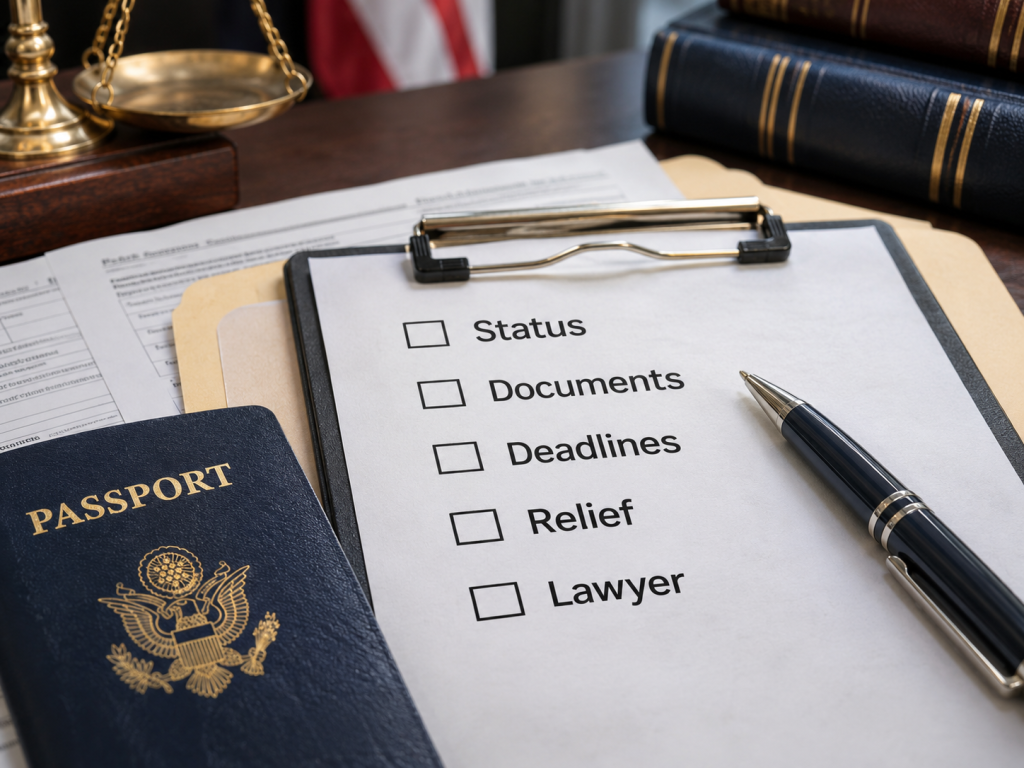
Review immigration status: Check visa expiration dates, work permits, green card applications, removal orders, and pending proceedings.
Preserve important documents: Maintain copies of passports, USCIS notices, I-94 records, court documents, and employment authorization.
Monitor immigration deadlines: Attend required hearings, interviews, and check-ins.
Explore immigration relief: Depending on eligibility, options may include family-based petitions, asylum, cancellation of removal, or humanitarian protections.
Seek qualified legal advice: Consult a licensed immigration attorney before making decisions affecting immigration status or removal proceedings.
Final Thoughts
The 2026 midterm elections could influence U.S. immigration policy through increased congressional oversight, funding negotiations, and potential immigration reform. However, they do not immediately change immigration status, end deportations, or guarantee additional protections.
Immigrants and their families should follow verified immigration news, maintain important documentation, and seek professional legal guidance before making decisions affecting their ability to live, work, or remain with family in the United States.
Have questions about how the 2026 midterm elections could affect your immigration status or your family? At the Abbasi Immigration Law Firm our experienced Houston immigration attorneys can help you understand your rights, explore your legal options, and navigate the complexities of U.S. immigration law.
Contact our team today to schedule a consultation.
Frequently Asked Questions
Did the 2026 Midterm Elections Change Immigration Law?
No. Although Democrats won control of Congress, existing federal immigration laws remain in effect unless changed through legislation, court rulings, or applicable agency action.
Will ICE Stop Deportations After the 2026 Midterms?
No. ICE retains authority to enforce existing immigration laws. Deportation operations can continue regardless of which political party controls Congress.
Can Congress Protect Dreamers and Undocumented Immigrants?
Congress can propose legislation providing immigration protections or pathways to legal status. However, proposals must complete the legislative process before becoming law.
Could the Elections Affect Family-Based Immigration and Asylum?
Potentially. The new Congress may prioritize family reunification, asylum protections, and legal immigration reforms. However, no immediate changes to eligibility or immigration procedures are guaranteed.
Does the Election Affect Public Benefits for Immigrant Families?
The election may influence future debates over public charge regulations and Medicaid restrictions. However, benefit eligibility and immigration consequences depend on individual circumstances and applicable rules.