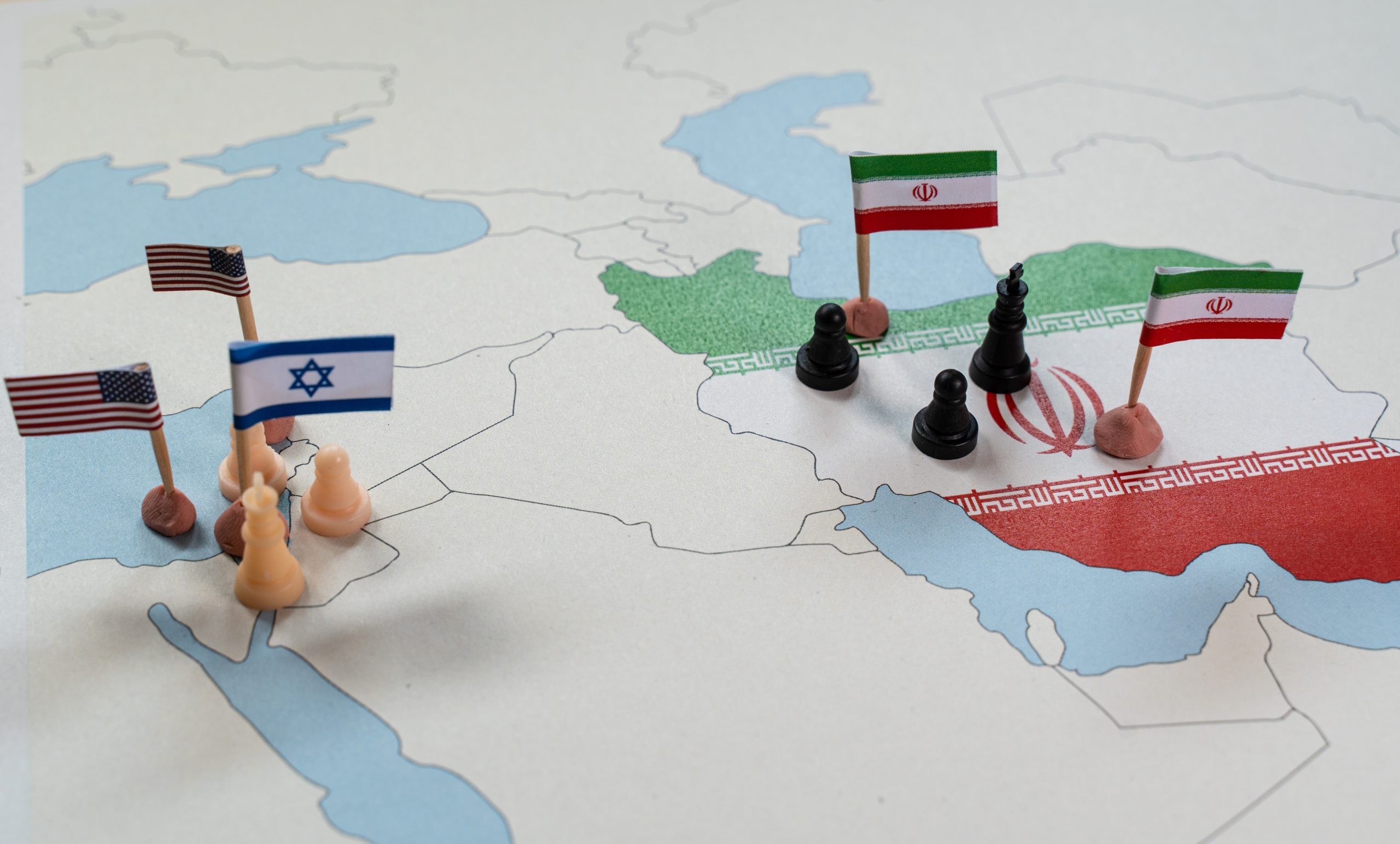
Ongoing conflict across the Middle East is creating uncertainty across global travel and immigration systems. For visa applicants, foreign nationals, employers managing international teams, and families navigating immigration benefits, one key question is emerging:
How could the Iran war affect U.S. immigration visas and travel in 2026?
While policies continue to evolve, the impact is already being felt across consular operations, visa processing times, visa issuance, and international travel restrictions.
This article explains what is happening, how it may affect visa applicants, and what steps you can take to protect your immigration status.
Middle East Conflict Overview and Why It Matters
The current geopolitical situation involves active armed conflict across the Middle East, affecting countries such as Iran, Iraq, and even nearby regions like Saudi Arabia.
As security conditions evolve, U.S. immigration systems are often impacted in three key ways:
Consular operations slow down or shift from normal operations
Visa processing and visa issuance become delayed or restricted
International travel and border restrictions become more complex
For visa applicants and foreign workers, this can lead to longer processing timelines, heightened scrutiny, and uncertainty around legal status.
Consular Closures and Limited Visa Services
One of the most immediate effects of conflict is disruption to U.S. embassy and consular services.
Across the Middle East, consular posts may:
Suspend routine consular services
Offer emergency services only
Reduce embassy personnel and staffing
Issue embassy closure notices due to local security conditions
Redirect applicants to alternative consular processing locations
This impacts both immigrant visa processing and nonimmigrant visa applicants, leading to fewer available visa appointments and delays in routine visa processing.
Applicants relying on a specific U.S. embassy may face sudden cancellations of visa interviews or difficulty securing new appointments.
Impact on Visa Processing Times and Backlogs
Visa processing is directly tied to consular operations. When embassies reduce services, visa processing times increase significantly.
Key impacts include:
Slower immigrant visa processing and visa issuance
Delays in nonimmigrant visa issuance (including H-1B, L-1, O-1, and J visa applicants)
Increased administrative processing and extended administrative processing (221(g))
Backlogs affecting visa application timelines and pending visa applications
In some cases, heightened security screening may lead to longer delays, especially for applicants from designated countries or those subject to additional background checks.
Visa Appointments and Scheduling Disruptions
Visa applicants may experience disruptions in securing or attending visa interviews.
Common issues include:
Cancellation of routine visa appointments
Limited availability for rescheduling
Delays in securing new visa appointment dates
Redirection to third-country consular posts
Because appointment availability is limited, it is critical to monitor updates from the State Department’s consular operations and act quickly when new slots open.

Travel Restrictions, Travel Ban Countries, and Increased Screening
During periods of geopolitical tension, the U.S. government may implement or expand travel restrictions affecting certain nationalities.
This may include:
Additional scrutiny for applicants from travel ban countries or designated countries
Increased background checks and screening procedures
Requirements for National Interest Exceptions (NIEs) in some cases
Changes to international travel plans due to evolving security conditions
Even individuals with a valid visa or a valid visa stamp may face delays or additional questioning at ports of entry.
Effects on Foreign Nationals and U.S. Citizens
The impact extends to both foreign nationals and U.S. citizens navigating international travel.
If You Are in the U.S.
Travel abroad may carry re-entry risks due to evolving border restrictions
Visa renewals and extensions may face delays
Changes in immigration laws or policies could impact legal status
If You Are Abroad
You may face delays returning due to embassy closures or airspace closures
Access to consular services may be limited
Replacing travel documents or passports may become difficult
Dual nationals and lawful permanent residents should also exercise caution when making international travel decisions.
Employment-Based Visas and Foreign Workers
Foreign workers on employment-based visas may face additional challenges.
This includes:
Delays in H-1B, L-1, and O-1 visa processing
Increased scrutiny during visa interviews
Disruptions to employment authorization timelines
Delays in premium processing cases due to operational slowdowns
Employers should monitor affected employees closely and prepare contingency plans to maintain compliance.
Employer and Corporate Mobility Considerations
Employers managing global teams should take proactive steps to support affected employees.
Recommended actions include:
Auditing immigration status across foreign nationals
Identifying employees located across the Middle East or in high-risk areas
Implementing payroll continuity and remote work contingency plans
Coordinating with immigration counsel for compliance and risk management
Preparing documentation for affected employees
Strong planning can help minimize disruption to both immigration services and business operations.
Legal Challenges and Policy Uncertainty
Immigration policies often shift during conflict, and legal challenges may arise.
This may include:
Litigation related to travel restrictions or visa issuance
Changes in enforcement priorities under evolving immigration laws
Court rulings affecting visa processing and immigration timelines
Because policies can change quickly, seeking legal guidance and staying informed is essential.
Alternative Options for Applicants
If consular processing becomes difficult, visa applicants may have alternative strategies depending on eligibility.
These may include:
Adjustment of Status (AOS) within the U.S.
Filing Form I-765 for employment authorization
Filing Form I-131 for travel authorization
Each option depends on individual circumstances and should be evaluated with immigration counsel.
Travel Planning and Risk Management
If you are planning international travel, it is important to proceed carefully.
Best practices include:
Avoiding non-essential travel to high-risk regions
Monitoring State Department travel advisories
Keeping copies of all travel documents
Confirming flights due to possible airspace closures
Preparing for delays due to evolving security conditions
A proactive approach can help reduce disruptions to international travel plans.
What to Watch Moving Forward
The situation remains fluid, and security conditions evolve rapidly.
Key updates to monitor include:
State Department’s announcements on embassy operations
Changes in visa processing times and visa issuance
Updates to travel restrictions and border policies
USCIS filing fees and policy updates
Embassy personnel capacity and consular operations
Final Thoughts
While the Iran War does not automatically stop U.S. immigration processes, it can significantly affect visa processing, visa issuance, consular services, and international travel across the Middle East.
Taking proactive steps now, such as reviewing your visa application, preparing for delays, and understanding your legal options, can help you better navigate this uncertainty.
If you have concerns about how current global events may affect your immigration status or immigration benefits, the team at the Abbasi Immigration Law Firm can help you assess your situation and develop a strategy.
Contact us today to speak with an experienced immigration attorney and receive clear, strategic legal consultation tailored to your case.